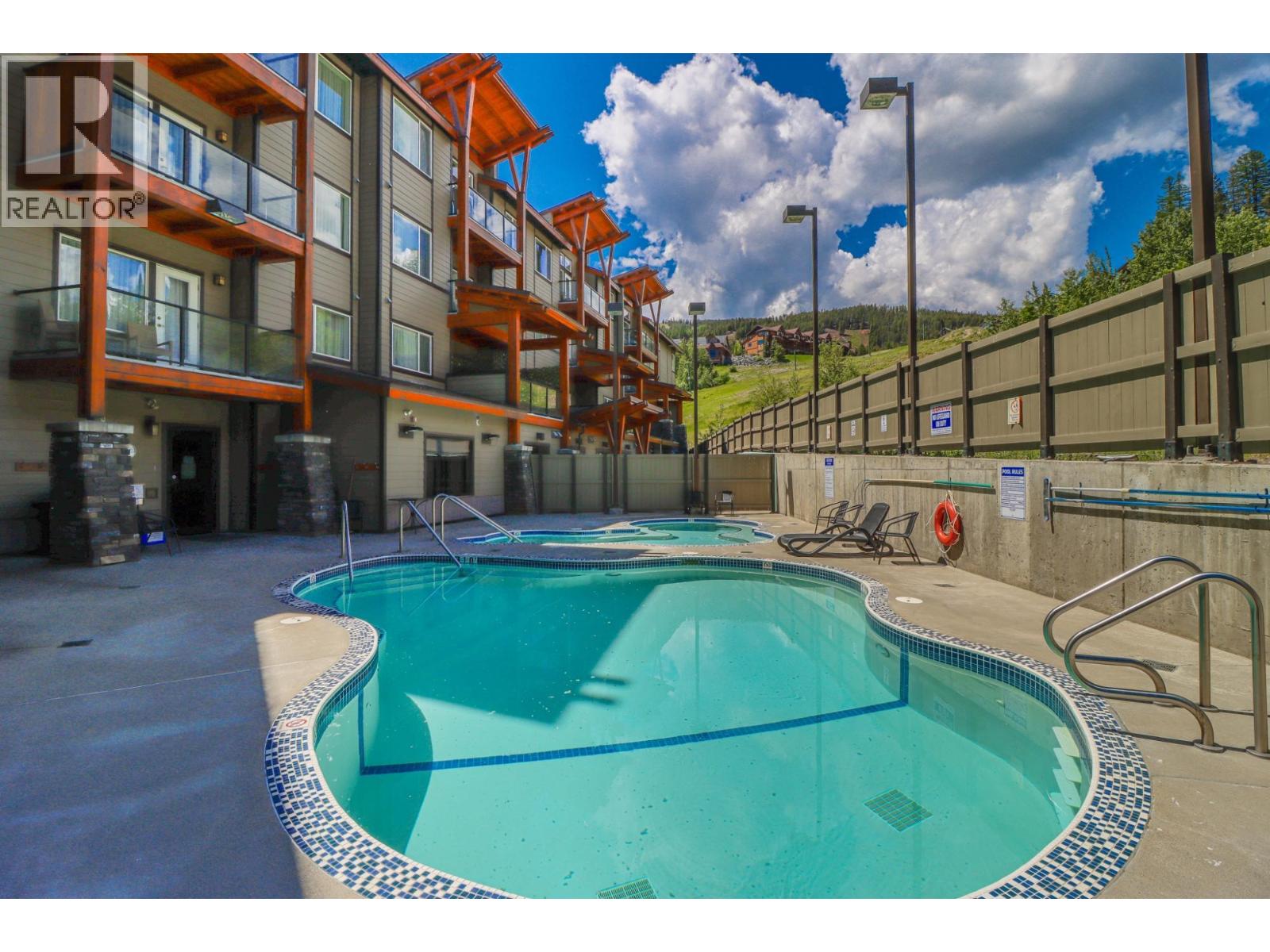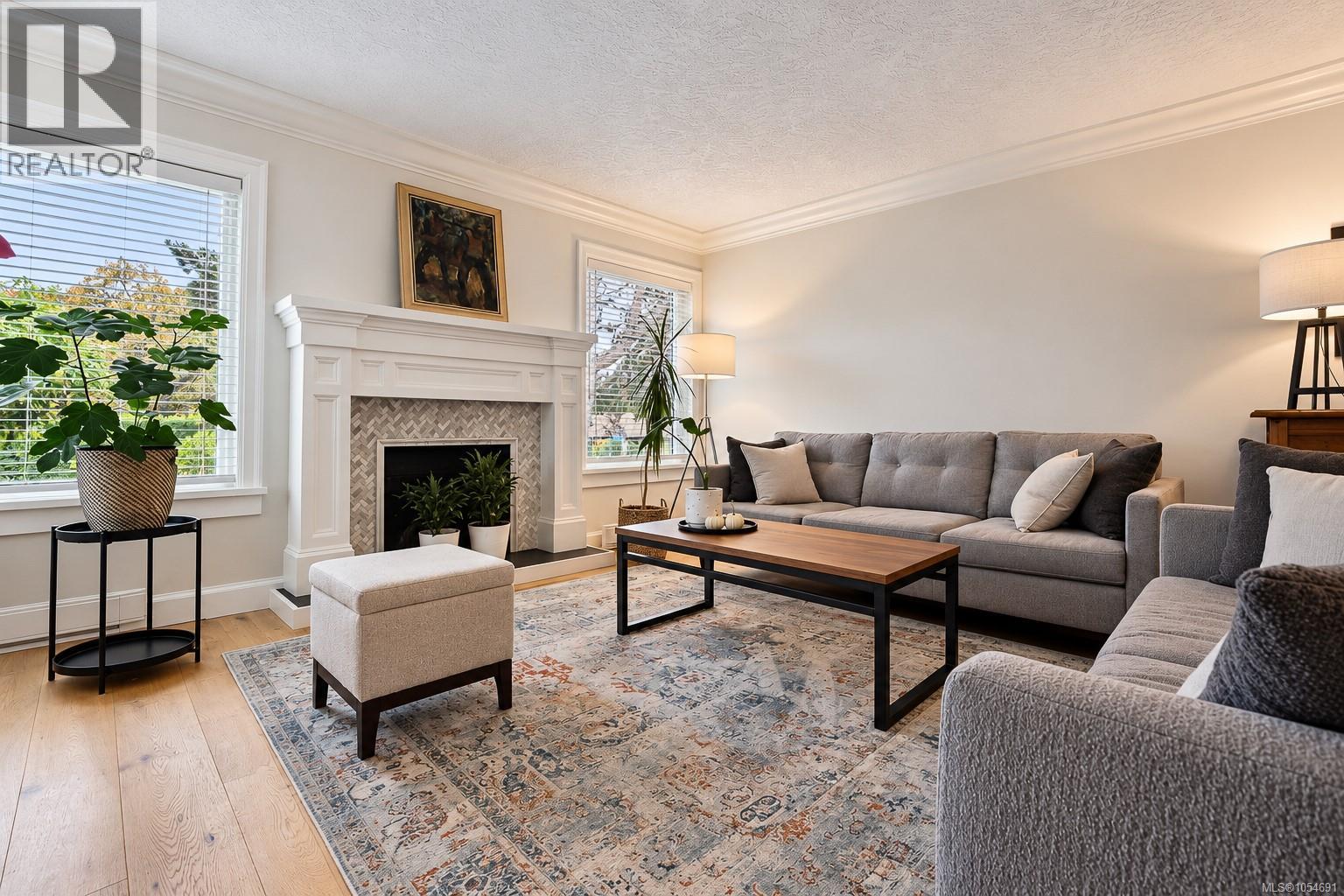
Multi-Family & Duplex Investment Properties in BC: A Guide for Investors
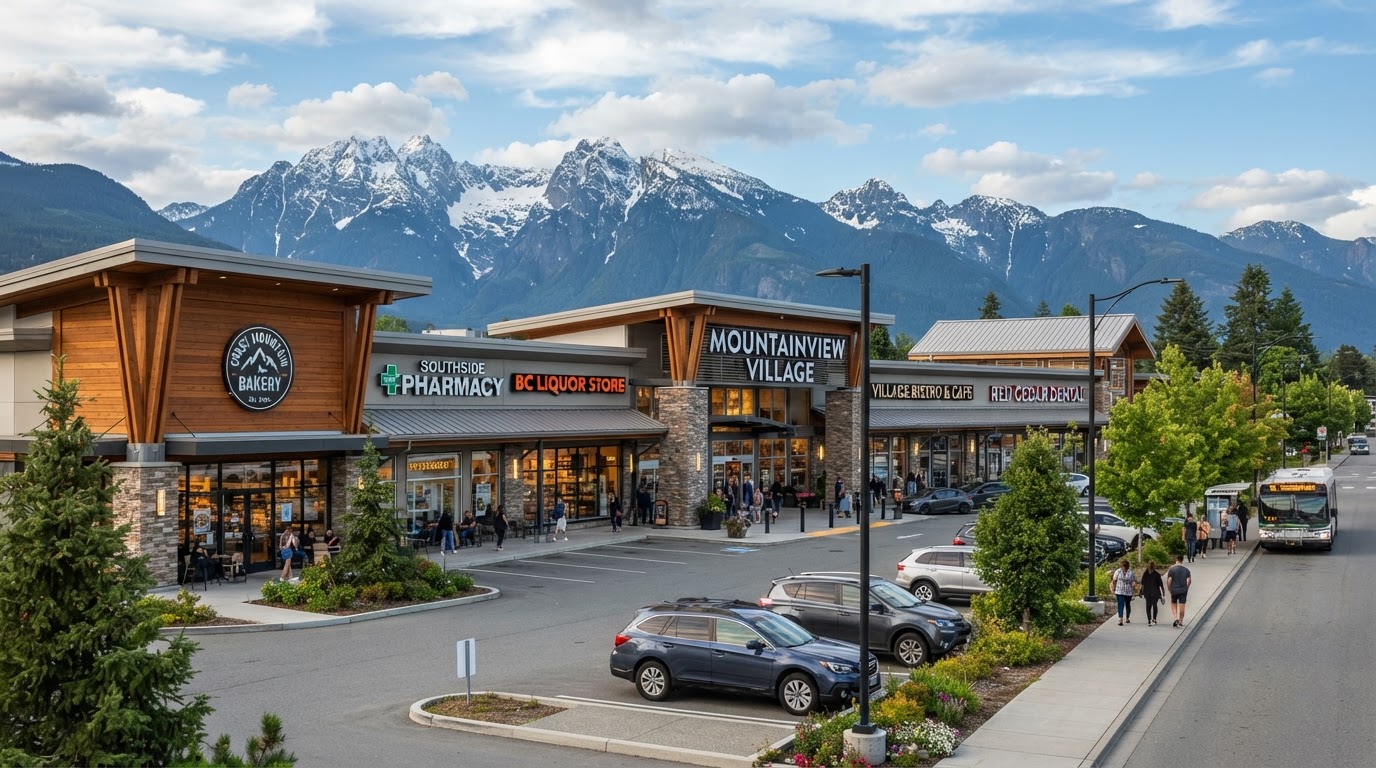
Why Multi-Family & Duplex Properties Are a Core BC Investment
Multi-family residential properties — duplexes, triplexes, fourplexes, and small apartment buildings — are among the most resilient investments in British Columbia. They generate rental income from multiple units under one roof, spread vacancy risk across several tenants, and qualify for residential financing that larger commercial apartment buildings often do not. For BC investors seeking cash flow rather than pure appreciation, small multi-family is the natural entry point.
Whether you are buying your first duplex in Surrey, a triplex in New Westminster, or a fourplex in the Fraser Valley, this guide explains what to look for, how to model returns, and where BC's strongest multi-family markets are.
This article is for educational purposes only and does not constitute financial, investment, or real estate advice. Verify current market conditions, zoning, and rental rules with the original sources and qualified professionals before making any decision.
What Counts as a Multi-Family Property in BC?
In BC real estate, multi-family covers a range of property types:
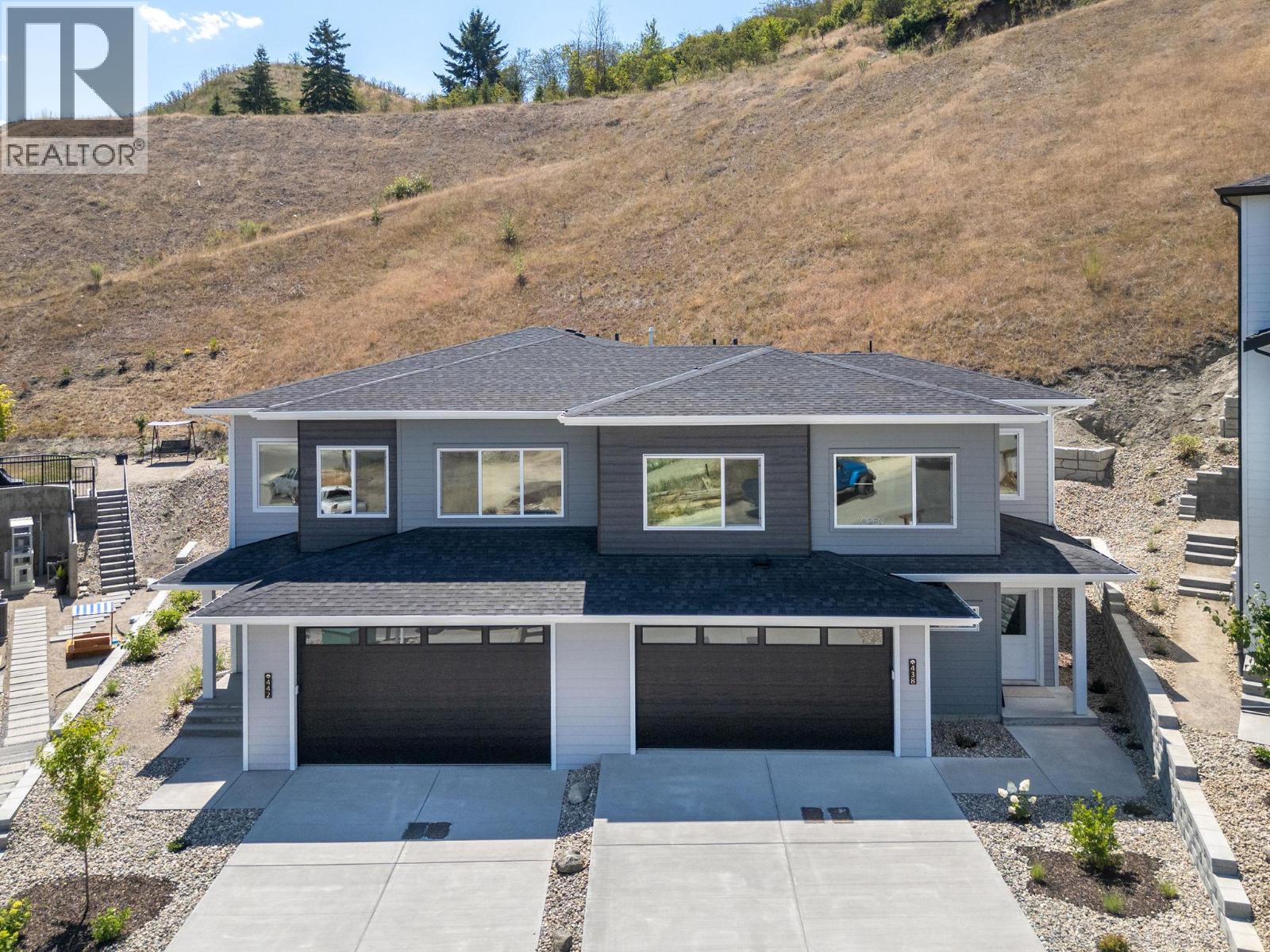
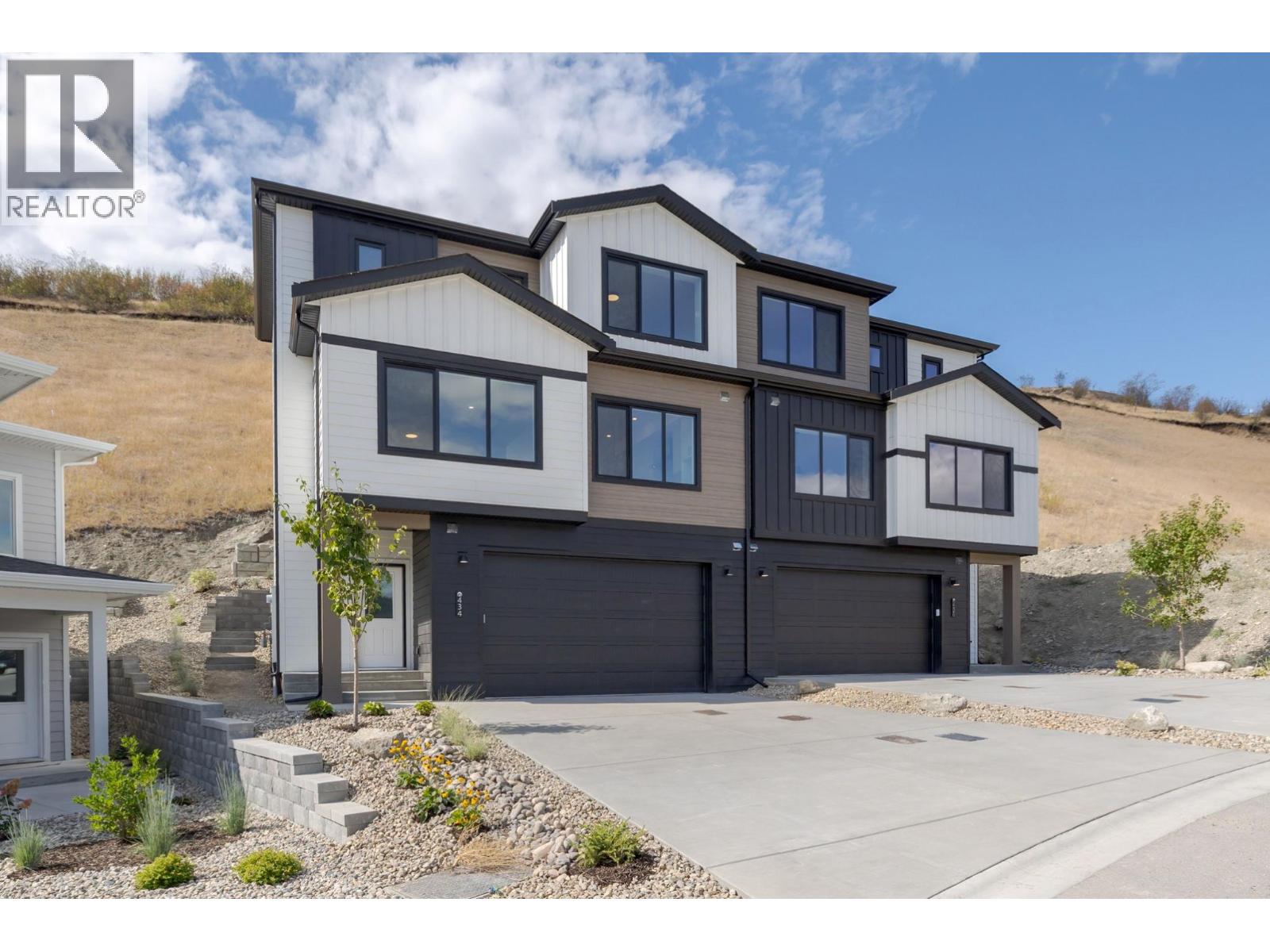
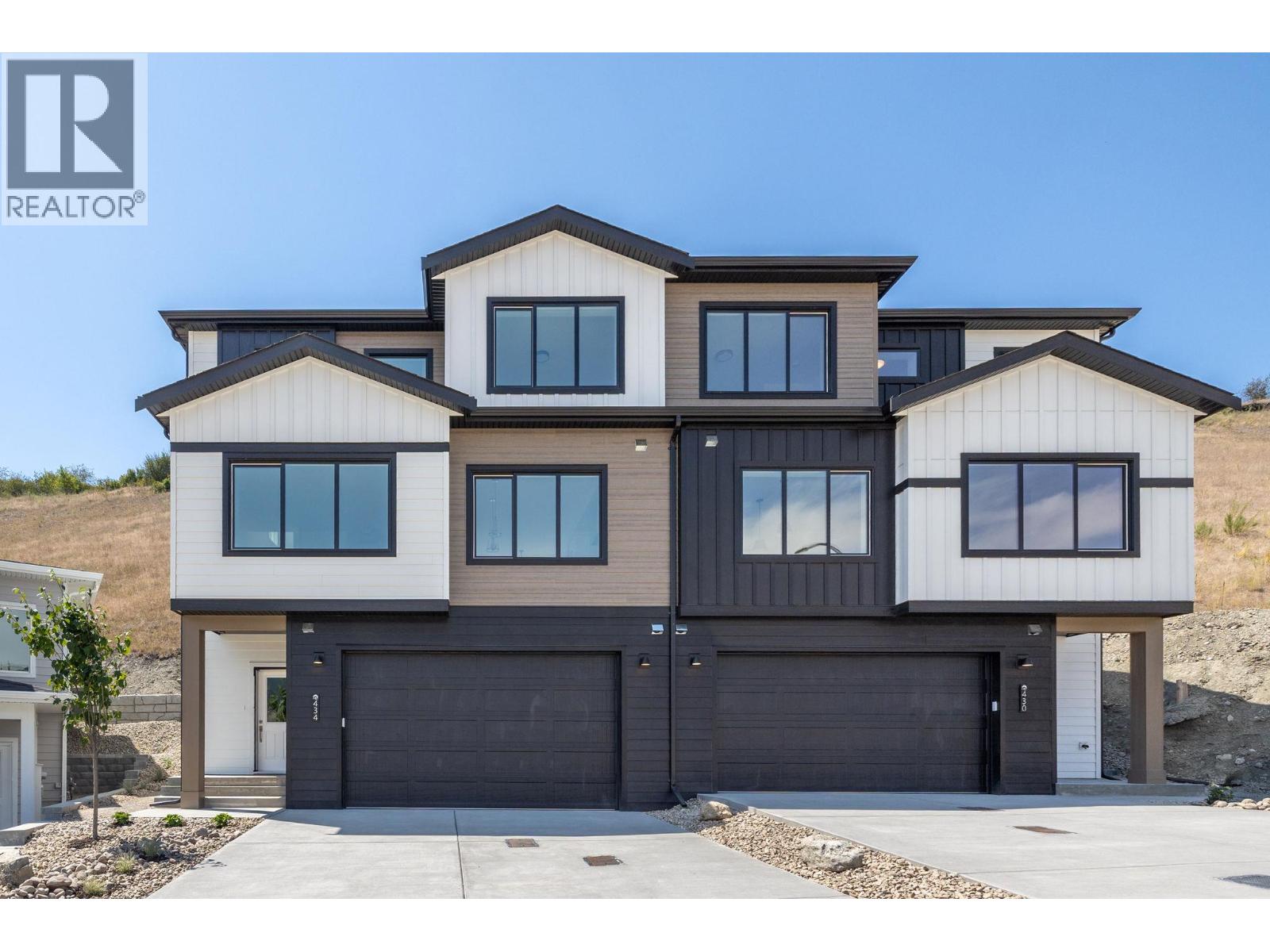
- Duplex (2 units): Two separate dwellings, either side-by-side or up/down. Often zoned RS-1 with a secondary suite, or purpose-built duplex on a single lot.
- Triplex (3 units) / Fourplex (4 units): Three or four self-contained units in one building. Common in older neighbourhoods near transit and universities.
- Small apartment building (5–20 units): Strata-titled or bare-land; may require commercial financing above 4 units.
- Secondary suite / mortgage helper: A single-family home with a legal or unauthorized suite generating rental income. The most common 'multi-family' entry point for owner-occupants.
BC Multi-Family Market Overview
Several trends shape BC's multi-family market:
- Rental demand: BC has one of Canada's lowest vacancy rates. Metro Vancouver and the Fraser Valley consistently see vacancy below 1.5%, supporting rent growth and low turnover risk.
- Affordability shift: As detached home prices remain high, more renters stay in the market longer, sustaining demand for duplex and triplex units.
- Zoning reform: BC's 2023 housing legislation (Bill 44) requires municipalities to allow 3–4 units on most single-family lots, expanding duplex and fourplex development potential.
- Renovation potential: Many older duplexes and triplexes in Surrey, New Westminster, and Burnaby offer value-add opportunities through suite legalization and rent increases to market.
- Financing access: Properties with 1–4 units generally qualify for residential mortgages with lower down payments than 5+ unit commercial buildings.
Top Regions for Multi-Family Investment in BC
1. Surrey — BC's Largest Multi-Family Growth Market
Surrey is BC's fastest-growing city and the Lower Mainland's most active multi-family market. Newton, Guildford, and Whalley offer the highest concentration of duplexes, triplexes, and small apartment buildings. SkyTrain expansion continues to drive rental demand and property values.
Buyer profile: Cash-flow investors, owner-occupants seeking mortgage helpers, and value-add buyers.
2. New Westminster & Burnaby
These central cities have older housing stock with many legal and illegal suites, triplexes, and fourplexes near SkyTrain. Proximity to Vancouver keeps rents high, and the older building stock offers renovation upside.
Buyer profile: Investors seeking transit-accessible properties with renovation potential.
3. Langley & Abbotsford (Fraser Valley)
The Fraser Valley offers lower entry prices than Metro Vancouver, larger lots suitable for duplex development, and strong rental demand from families priced out of detached homes. Abbotsford's growing population supports steady tenant demand.
Buyer profile: Investors seeking higher cap rates and development potential.
4. Kelowna & Kamloops (BC Interior)
Interior cities offer the highest cap rates in BC for multi-family, driven by student rentals (UBC Okanagan, Thompson Rivers University) and retiree in-migration. Entry prices are significantly lower than the Lower Mainland.
Buyer profile: Yield-focused investors and student-housing operators.
How to Evaluate a Multi-Family Property in BC
| Metric | What It Tells You | BC Benchmark |
|---|---|---|
| Gross rental yield | Annual rent ÷ purchase price | 3%–6% (Lower Mainland); 5%–8% (Interior) |
| Cap rate | Net operating income ÷ price | 2.5%–4.5% (Metro Van); 4%–6%+ (Fraser Valley/Interior) |
| Price per unit | Price ÷ number of units | $350K–$700K per door (varies widely) |
| Vacancy rate | Share of units vacant | BC avg ~1%–2% |
| Cash-on-cash return | Cash flow ÷ cash invested | 3%–7% typical |
These ranges are illustrative only and vary by location, property condition, and market conditions. Model your own numbers using the seller's rent roll and current expenses.
Financing a Multi-Family Purchase in BC
- 1–4 units: Generally qualify for residential mortgages with as little as 5%–20% down (owner-occupied) or 20%+ down (investor). Insured mortgages available for owner-occupants.
- 5+ units: Typically require commercial financing — higher rates, 25%–35% down, and lender scrutiny of the property's rent roll and operating statements.
- Secondary suite income: Many lenders will include suite rental income (legal suites) in qualification, improving borrowing power for duplex buyers.
- Stress test: All BC mortgages must pass the stress test — the greater of your contract rate +2% or the benchmark rate.
Speak with a mortgage broker experienced with BC investment properties. This section is informational only and not financial advice.
BC-Specific Regulatory Considerations
- RTA (Residential Tenancy Act): BC tenancy law governs rent increases, eviction, and tenant rights. Annual rent increase limits are set by the province. Verify current limits with the BC Residential Tenancy Branch.
- Zoning (Bill 44): BC's 2023 housing legislation requires municipalities to allow 3–4 units on most single-family lots. Check local zoning for duplex and fourplex development potential.
- Secondary suite legality: Confirm whether a suite is legal (permitted, meets BC Building Code) or unauthorized. Legal suites qualify for financing and insurance; unauthorized suites carry risk.
- Strata vs. non-strata: Some multi-family buildings are strata-titled (each unit owned separately); others are held as one title. Financing and management differ significantly.
- Short-term rental rules: BC's 2024 STR legislation restricts short-term rentals to principal residences in most municipalities. Multi-family investors should plan for long-term tenancies, not Airbnb.
Due Diligence Checklist: Multi-Family Properties for Sale in BC
| Item | Why It Matters |
|---|---|
| Rent roll (current) | Unit-by-unit rent, lease terms, and tenant history |
| Operating expenses (2–3 years) | Utilities, property tax, insurance, maintenance, management |
| Suite legality | Legal suites qualify for financing; unauthorized suites add risk |
| Zoning & development potential | Can you add units? Bill 44 may allow 3–4 units on the lot |
| Building inspection | Roof, plumbing, electrical, HVAC — older buildings need careful review |
| Rent comparables | Are rents at market? Below-market rents offer upside but require RTA-compliant increases |
| Tenancy agreements | Review existing leases; BC RTA governs terms you cannot change unilaterally |
| Property tax assessment | Confirms tax burden and reassessment risk post-sale |
Frequently Asked Questions: Multi-Family Investment in BC
What is a good cap rate for a duplex in BC?
Cap rates vary widely by region. In Metro Vancouver, 2.5%–4.5% is typical for duplexes and triplexes. In the Fraser Valley and BC Interior, cap rates of 4%–6%+ are more common. Higher cap rates generally reflect lower entry prices and higher yields, but also different risk profiles. Model your own numbers using the property's actual rent roll and expenses.
Can I buy a duplex with 5% down in BC?
If you will live in one unit (owner-occupied), you may qualify for a 5% down insured mortgage on a 1–2 unit property. If you are an investor not occupying the property, expect to put down 20% or more. Confirm current rules with a mortgage broker, as CMHC and lender policies change.
Are secondary suites legal in BC?
Many BC municipalities allow secondary suites, but legality depends on zoning, building code compliance, and permits. A legal suite meets the BC Building Code, has proper permits, and is allowed under local zoning. Unauthorized suites carry financing, insurance, and liability risk. Always verify suite legality before purchasing.
Does BC's new zoning law (Bill 44) affect multi-family investment?
Yes. BC's 2023 housing legislation requires municipalities to allow 3–4 units on most single-family lots, expanding the potential to develop duplexes, triplexes, and fourplexes on lots previously zoned single-family. This creates new development opportunities but requires checking each municipality's implementation.
Where are the best multi-family markets in BC?
Surrey is BC's largest multi-family growth market, with strong rental demand and SkyTrain expansion. New Westminster and Burnaby offer transit-accessible older stock with renovation upside. The Fraser Valley (Langley, Abbotsford) offers higher cap rates, and the BC Interior (Kelowna, Kamloops) offers the highest yields, often driven by student and retiree demand.
Ready to Find a Multi-Family Property in BC?
Whether you are seeking a duplex in Surrey, a triplex in New Westminster, a fourplex in the Fraser Valley, or a small apartment building in the Interior, Rexara Realty Inc. can help you identify and acquire the right multi-family investment for your goals.
We work with investors across British Columbia's multi-family market — providing access to on-market and off-market opportunities, financial analysis support, and end-to-end transaction advisory.
Gurjit Ghai
REALTOR® — Personal Real Estate Corporation
Rexara Realty Inc.
☎ 778-855-2019
✉ info@rexararealty.com
🌐 www.rexararealty.com
This article is for educational purposes only and does not constitute legal, financial, investment, or real estate advice. Market data is drawn from publicly available sources and changes over time. Verify current figures with the original sources and consult qualified professionals before making real estate or financial decisions.

Gurjit Ghai, REALTOR®
Gurjit Ghai Personal Real Estate Corporation
Brokerage: Rexara Realty Inc.
Licensed Managing Broker specializing in commercial transactions, residential acquisitions, ALR farmland, and business brokerage across British Columbia.
Verify licence on BCFSA public registry →View author profile & articles →⚖️Important Real Estate & Legal Disclaimer
This article is provided for general informational and educational purposes only and does not constitute legal, tax, accounting, financial, or professional real estate advice. Real estate laws, BC Financial Services Authority (BCFSA) guidelines, municipal bylaws, and tax regulations (including Property Transfer Tax, GST, and cooling-off rules) are subject to change and apply differently based on individual circumstances.
Readers should not act or rely upon any information contained herein without obtaining competent professional legal, tax, or financial counsel and consulting directly with a licensed British Columbia real estate professional. Rexara Realty Inc., its managing broker, and its associated licensees expressly disclaim all liability with respect to actions taken or not taken based on any content in this article.