Breweries & Wineries for Sale in BC: A Buyer's Guide to British Columbia Craft Beverage Investments
Why Breweries & Wineries for Sale in BC Are a Smart Investment
British Columbia is one of North America's premier craft beverage regions. The Okanagan Valley is Canada's second-largest wine-producing region after Ontario, and BC's craft beer industry is among the most vibrant in Canada. For investors, breweries and wineries offer a unique combination of real estate, agriculture, manufacturing, and brand value — a business where the land, the equipment, the inventory, and the brand all contribute to the total asset value.
Whether you are looking for an established Okanagan winery with vineyard acreage, a craft brewery in Metro Vancouver, or a small microbrewery in the Kootenays, this guide explains what to look for when buying a brewery or winery in British Columbia.
This article is for educational purposes only and does not constitute financial, investment, or real estate advice. Verify current market conditions, regulatory requirements, and property details with the original sources and qualified professionals before making any decision.
What Is a Brewery or Winery Business in BC?
In BC, a brewery produces beer for commercial sale under a manufacturer's licence from the BC Liquor and Cannabis Regulation Branch. A winery produces wine from grapes (or other fruit) under a winery licence. Key characteristics include:
- Brewery types: Production brewery (large-scale), microbrewery (small-batch, often with tasting room), brewpub (brewery + restaurant), and contract brewing operation.
- Winery types: Estate winery (vineyard + production + tasting room), production winery (purchases grapes, no vineyard), farm-gate winery (small-scale, direct-to-consumer), and fruit winery (uses fruit other than grapes).
- Real estate: Breweries typically require industrial or light-industrial space with water, drainage, and loading access. Wineries require agricultural or industrial land, often with vineyard acreage on ALR (Agricultural Land Reserve) property.
- Licences: Both require manufacturer's licences from the BC Liquor and Cannabis Regulation Branch, plus federal excise licences from the Canada Revenue Agency.
- Distribution: BC breweries and wineries sell through the Liquor Distribution Branch (LDB), private retail (LRS stores), direct-to-consumer (tasting rooms, online), and wholesale to restaurants and bars.
BC Craft Beverage Market Overview
Several trends shape the BC brewery and winery market:
- Craft beer maturity: BC's craft beer market has matured, with established brands and growing consumer loyalty. Consolidation is occurring as larger breweries acquire smaller ones, creating acquisition opportunities.
- Wine tourism growth: Okanagan wine tourism is a major economic driver, with tasting rooms, tours, and events generating significant direct-to-consumer revenue.
- ALR land protection: Wineries on Agricultural Land Reserve property benefit from protected land use but face restrictions on non-agricultural development. Understand ALR rules before purchasing.
- Sustainability focus: Consumers increasingly favour breweries and wineries with sustainable practices — organic certification, water conservation, and carbon reduction.
- Direct-to-consumer growth: Tasting rooms, online sales, and wine/beer clubs are increasingly important revenue channels, bypassing the LDB wholesale margin.
- Aging ownership: Many pioneering BC wineries and breweries are owned by founders approaching retirement, creating acquisition opportunities with established brands and distribution.
Top Regions for Breweries & Wineries for Sale in BC
1. The Okanagan Valley — Kelowna, Penticton, Oliver, Osoyoos
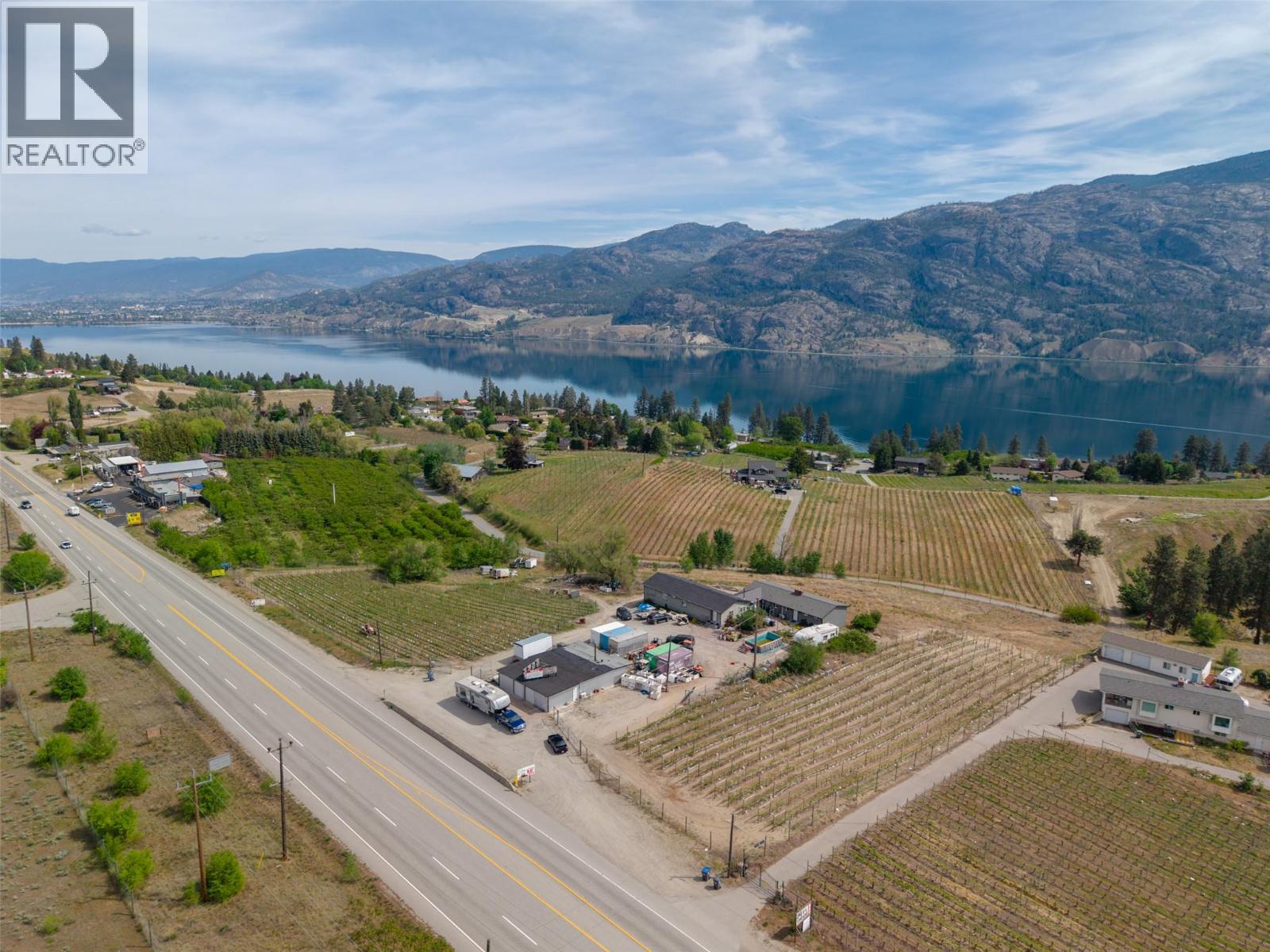
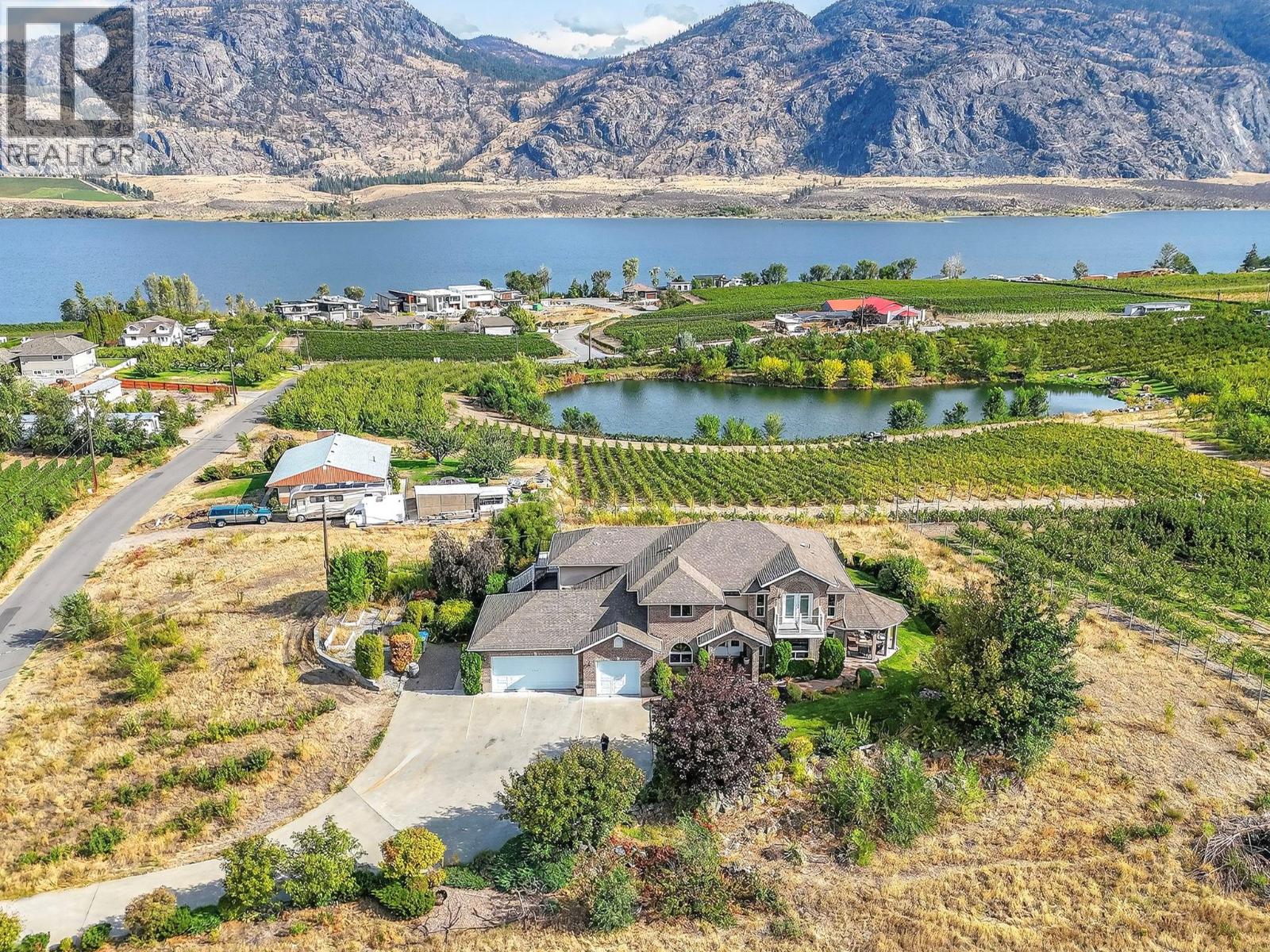
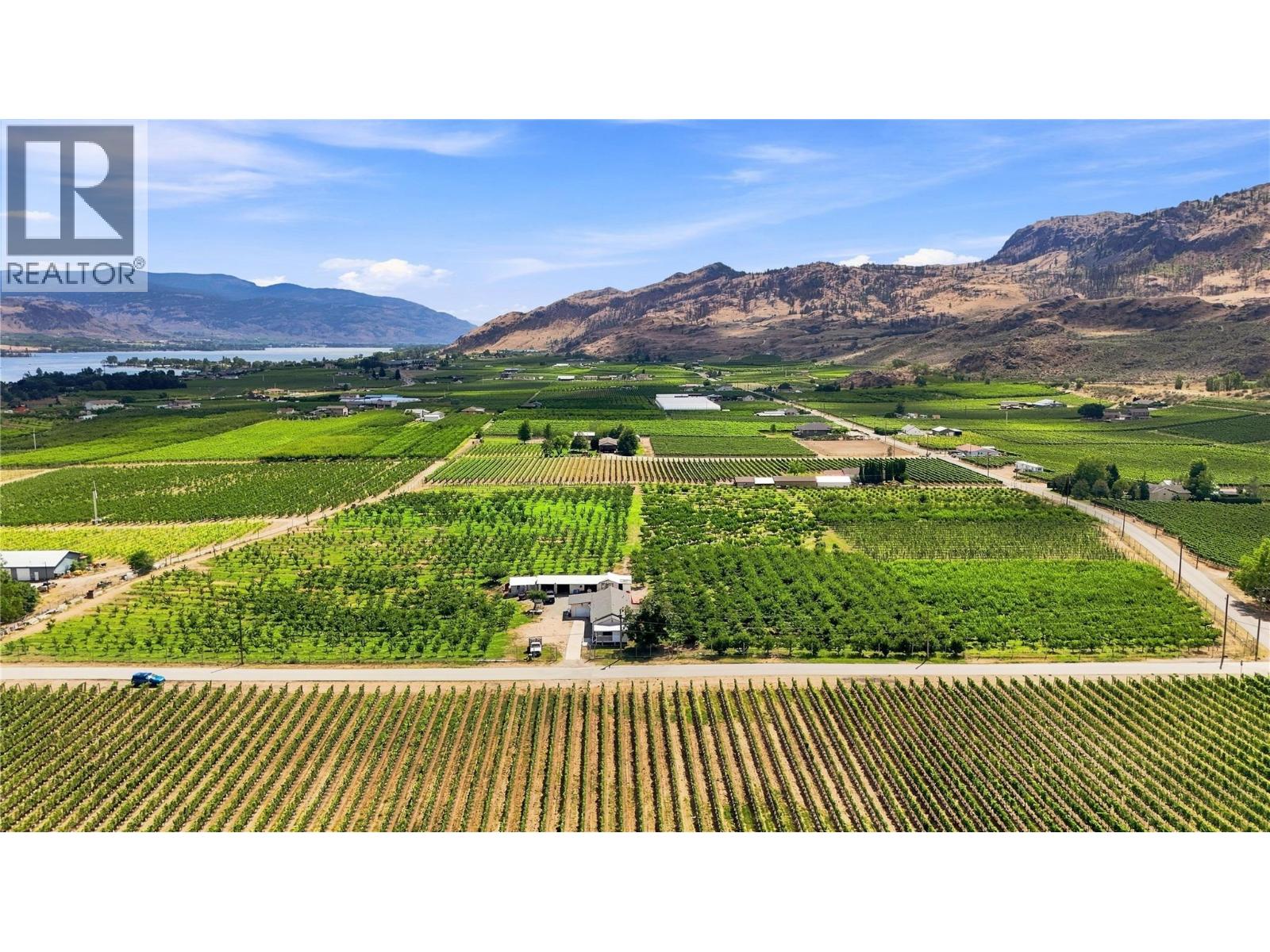
The Okanagan is BC's premier wine region and one of Canada's most important wine-producing areas. with over 200 licensed wineries. The valley's climate, soil, and terroir support world-class wines. Kelowna and Penticton are the main commercial hubs; Oliver and Osoyoos offer lower acquisition costs and are part of the emerging South Okanagan wine region. Estate wineries with vineyard acreage on ALR land are the most valuable and hardest to find.
Buyer profile: Wine industry investors, lifestyle buyers, and investors seeking established brands with vineyard real estate.
2. Metro Vancouver & the Fraser Valley — Vancouver, Surrey, Abbotsford
Metro Vancouver is BC's craft beer capital, with the highest concentration of breweries in Canada. The Fraser Valley (Abbotsford, Langley) offers lower industrial costs while benefiting from Metro Vancouver's craft beer consumer base. Breweries here benefit from proximity to urban markets and distribution infrastructure.
Buyer profile: Craft beer investors, brewpub operators, and buyers seeking urban brewery locations.
3. Vancouver Island — Victoria, Nanaimo, Cowichan Valley
Vancouver Island has a growing craft beverage scene, with wineries in the Cowichan Valley and breweries in Victoria and Nanaimo. The Island's tourism industry and mild climate support both wine and beer production. with direct-to-consumer sales through tasting rooms and local restaurants.
Buyer profile: Lifestyle investors, tourism-focused buyers, and owner-operators seeking island markets.
4. The Kootenays & BC Interior — Nelson, Kamloops, Vernon
The Kootenays and BC Interior offer lower acquisition costs and growing craft beverage communities. Nelson has a vibrant craft beer scene, while Kamloops and Vernon offer affordable industrial space for production breweries. These regions are attractive for buyers seeking value and lifestyle.
Buyer profile: Value investors, lifestyle buyers, and owner-operators seeking affordable entry.
Types of Breweries & Wineries for Sale in BC
| Type | Typical Profile | Best For |
|---|---|---|
| Estate winery with vineyard | ALR land, vineyard, production facility, tasting room | Wine industry investors, lifestyle buyers |
| Production winery (no vineyard) | Industrial facility, grape supply contracts | Investors focused on production and brand |
| Craft brewery (micro) | 5,000–20,000 sq ft, tasting room | Craft beer investors, owner-operators |
| Brewpub (brewery + restaurant) | Combined production + food service | Owner-operators seeking food + beverage revenue |
| Production brewery | 20,000+ sq ft, distribution-focused | Experienced investors, scale operators |
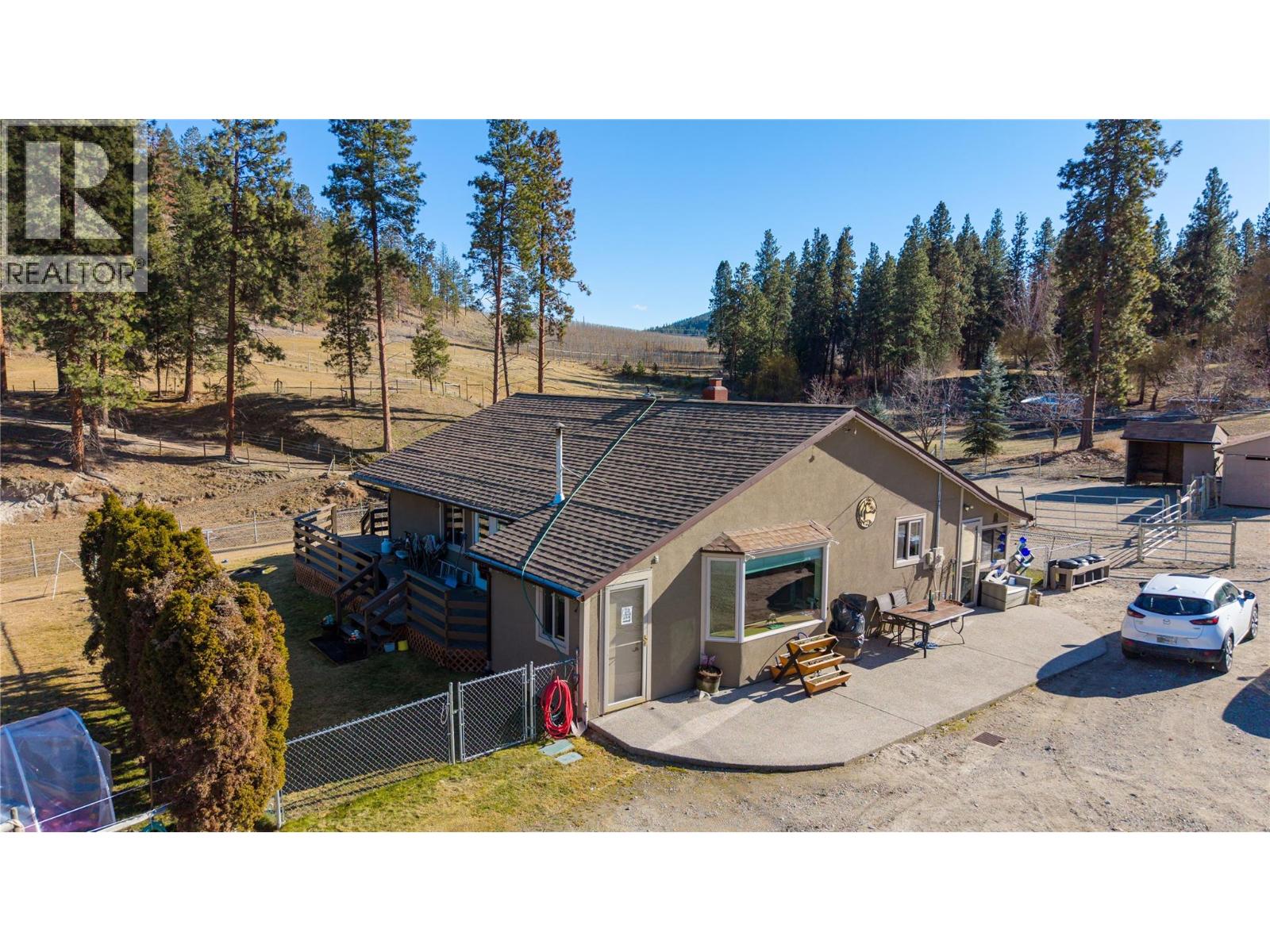
| Farm-gate / fruit winery | Small-scale, direct-to-consumer, ALR land | Lifestyle buyers, agricultural investors |
How to Buy a Brewery or Winery in BC: Step-by-Step
- Define your investment criteria: Determine budget, preferred beverage type (beer vs. wine), scale (micro vs. production), and whether you want vineyard real estate.
- Engage a broker experienced with BC craft beverage businesses: Brewery and winery transactions require specialized knowledge of liquor licences, equipment valuation, and ALR land rules. Work with a broker who understands the BC beverage industry.
- Analyze the financials: Request 2–3 years of financial statements, production volume data, tasting room revenue, and distribution sales. Key metrics include production volume, revenue per litre, tasting room margin, and brand distribution.
- Evaluate the equipment: Brewing and winemaking equipment (tanks, bottling lines, barrels, presses) has a defined useful life and significant replacement cost. Commission an equipment inspection.
- Assess the real estate: For wineries, confirm ALR status, vineyard condition, water rights, and soil quality. For breweries, confirm zoning for beverage production, water capacity, and waste discharge.
- Review licences: Confirm the manufacturer's licence (BC Liquor and Cannabis Regulation Branch), federal excise licence (CRA), and any health or environmental permits are current and transferable.
- Conduct due diligence: Review distribution agreements, supplier contracts (grape or hop supply), employee agreements, brand/trademark registrations, and any environmental compliance.
- Secure financing: Brewery and winery financing is commercial and complex. Conventional lenders may require 30–40% down, 3 years of financials, and an equipment + real estate appraisal. Seller financing is common in beverage industry transactions.
- Negotiate and close: Engage a BC commercial real estate lawyer experienced with liquor licence transfers and ALR land transactions.
Due Diligence Checklist: Breweries & Wineries for Sale in BC
| Item | Why It Matters |
|---|---|
| Manufacturer's licence status | BC Liquor and Cannabis Regulation Branch licence must be current and transferable |
| Federal excise licence (CRA) | Required for beer and wine production; confirm status |
| Production volume & revenue data (2–3 years) | Establishes business performance and capacity utilization |
| Tasting room revenue | Direct-to-consumer sales are high-margin and growing |
| Distribution agreements (LDB) | Review LDB wholesale terms and any exclusive arrangements |
| Equipment condition & remaining life | Brewing/winemaking equipment is a major capital asset |
| Vineyard condition (for wineries) | Vine age, soil, health, and grape quality affect wine production |
| ALR land status (for wineries) | ALR restrictions limit non-agricultural development |
| Water rights & capacity | Water is essential for both brewing and winemaking |
| Brand & trademark registrations | Brand value is a significant intangible asset |
| Environmental compliance | Waste water discharge, chemical storage, and organic certification |
| Property tax assessment | Confirms tax status and identifies reassessment risk post-sale |
Understanding Brewery & Winery Valuation
Brewery and winery valuation is complex because it combines real estate, equipment, inventory, brand, and cash flow. Key valuation approaches include:
| Valuation Method | What It Measures | Best For |
|---|---|---|
| Income approach (cap rate / DCF) | NOI / cap rate or discounted future cash flows | Established, profitable operations |
| Asset-based | Real estate + equipment + inventory value | Wineries with vineyard land, breweries with valuable equipment |
| Brand/market approach | Comparable sales of similar breweries/wineries | Established brands with market recognition |
| Revenue multiple | Revenue × industry multiple (0.5–2.5x) | Quick estimate for small operations |
These approaches are illustrative only. Valuation depends on production volume, brand strength, real estate, equipment age, and market conditions. Engage a qualified business valuator or commercial broker for an accurate assessment.
Financing a Brewery or Winery Purchase in BC
Brewery and winery financing is commercial and complex, reflecting the specialized nature of the assets. Common approaches include:
- Conventional commercial financing: 30–40% down for established operations; 3 years of financials; equipment and real estate appraisal required.
- Seller financing: Common in craft beverage transactions; bridges valuation gaps and supports licence transfer.
- Equipment financing: Separate equipment loans for tanks, bottling lines, and other production equipment.
- AgriInvest / farm financing: For wineries with vineyard land, federal and provincial agricultural financing programs may be available.
Speak with a commercial mortgage broker experienced in BC craft beverage transactions. This section is informational only and not financial advice.
BC-Specific Regulatory Considerations for Brewery & Winery Buyers
- Manufacturer's licence: Both breweries and wineries require a manufacturer's licence from the BC Liquor and Cannabis Regulation Branch. Confirm the licence is current and transferable.
- Federal excise licence: A CRA excise licence is required for commercial beer and wine production. Confirm status and transferability.
- ALR land: Wineries on Agricultural Land Reserve property must comply with ALR rules — confirm permitted uses, secondary dwelling restrictions, and non-farm development limitations.
- Water rights: Both breweries and wineries require significant water; confirm water licences and capacity with the BC Water Sustainability Act.
- Environmental: Waste water discharge, chemical storage, and organic certification (if applicable) must comply with BC environmental regulations.
- Liquor distribution: Understand the BC Liquor Distribution Branch (LDB) wholesale framework and direct-to-consumer rules.
- Real Estate Services Act compliance: Commercial transactions must comply with BC real estate licensing and disclosure requirements.
Frequently Asked Questions: Breweries & Wineries for Sale in BC
How much does a brewery or winery cost in British Columbia?
Prices vary enormously. A small microbrewery without real estate in the BC Interior may sell for $300,000–$800,000. A craft brewery with a tasting room in Metro Vancouver typically sells for $1–5 million. An Okanagan estate winery with vineyard acreage can range from $2 million to $20 million+ depending on vineyard size, brand, and production capacity. Verify current pricing by comparing recent sales in your target market.
Do I need a liquor licence to buy a brewery or winery?
Yes. Both breweries and wineries require a manufacturer's licence from the BC Liquor and Cannabis Regulation Branch and a federal excise licence from the CRA. These licences must be current and transferable. The licence transfer process requires approval from the Branch — confirm transferability before purchasing.
Can I build a house on a winery property in BC?
If the winery is on Agricultural Land Reserve (ALR) land, residential construction is restricted. ALR rules allow a primary residence for the farmer and may allow a secondary dwelling under specific conditions. Non-farm residential development is generally prohibited. Confirm permitted residential uses with the Agricultural Land Commission and a qualified BC land-use lawyer before purchasing.
What is the difference between an estate winery and a production winery?
An estate winery grows its own grapes on its own vineyard and produces wine from those grapes. A production winery purchases grapes from growers and does not own vineyard land. Estate wineries are typically more valuable because they include vineyard real estate and have full control over grape quality, but they require agricultural expertise and ALR compliance.
What financing is available for a brewery or winery purchase in BC?
Conventional commercial financing (30–40% down), seller financing, equipment financing, and agricultural financing programs (for wineries with vineyard land) are all options. Lenders evaluate production volume, brand strength, equipment value, real estate, and the buyer's experience. Speak with a commercial mortgage broker experienced in BC craft beverage transactions.
What due diligence should I do before buying a brewery or winery in BC?
Request 2–3 years of financial statements, production volume data, tasting room revenue, distribution agreements, equipment inspection, vineyard condition (for wineries), ALR status, water rights, licence status (manufacturer's + federal excise), brand/trademark registrations, and environmental compliance. Engage a BC commercial real estate lawyer experienced with liquor licence transfers.
Ready to Find a Brewery or Winery for Sale in BC?
Whether you are seeking an Okanagan estate winery with vineyard acreage, a craft brewery in Metro Vancouver, a brewpub on Vancouver Island, or a microbrewery in the Kootenays, Rexara Realty Inc. can help you identify and acquire the right craft beverage business for your investment goals.
We work with buyers across British Columbia's craft beverage market — providing access to on-market and off-market opportunities, financial analysis support, and end-to-end transaction advisory, including liquor licence transfers and ALR land expertise.
Gurjit Ghai
REALTOR® — Personal Real Estate Corporation
Rexara Realty Inc.
☎ 778-855-2019
✉ info@rexararealty.com
🌐 www.rexararealty.com
This article is for educational purposes only and does not constitute legal, financial, investment, or real estate advice. Market data is drawn from publicly available sources and changes over time. Verify current figures with the original sources and consult qualified professionals before making real estate or financial decisions.

Gurjit Ghai, REALTOR®
Gurjit Ghai Personal Real Estate Corporation
Brokerage: Rexara Realty Inc.
Licensed Managing Broker specializing in commercial transactions, residential acquisitions, ALR farmland, and business brokerage across British Columbia.
Verify licence on BCFSA public registry →View author profile & articles →⚖️Important Real Estate & Legal Disclaimer
This article is provided for general informational and educational purposes only and does not constitute legal, tax, accounting, financial, or professional real estate advice. Real estate laws, BC Financial Services Authority (BCFSA) guidelines, municipal bylaws, and tax regulations (including Property Transfer Tax, GST, and cooling-off rules) are subject to change and apply differently based on individual circumstances.
Readers should not act or rely upon any information contained herein without obtaining competent professional legal, tax, or financial counsel and consulting directly with a licensed British Columbia real estate professional. Rexara Realty Inc., its managing broker, and its associated licensees expressly disclaim all liability with respect to actions taken or not taken based on any content in this article.